Featured
Table of Contents
Every person experiences pain in different ways. Your experience of despair and exactly how you cope with it will certainly depend on different factors. These might include your age, previous experiences with sorrow and your spiritual or religious views.
Awaiting grief implies feeling depressing before the loss happens. As opposed to grieving for the person, that is still with you, you might feel grief for things you won't reach do together in the future. When dealing with a significant loss, such as the death of a loved one, it is natural to feel lots of solid feelings.
This does not indicate you have actually quit on the individual or that you do not care for them. People diagnosed with an incurable disease and those encountering the death of an enjoyed one may experience awaiting despair. If you have been detected with an incurable disease, you may experience lots of feelings consisting of shock, anxiety and unhappiness.
Core Self vs. Achievement: Embracing Your True Voice Through EMDR Therapy in Sacramento
You grieve shed opportunities or experiences you'll miss out on also small ones, such as the pleasure of the sunlight or a hot cup of coffee. If somebody you enjoy is dealing with an incurable disease, it is usual to experience anticipatory grief in the months, weeks and days before fatality. You could grieve the same points your liked one is grieving, or various losses altogether.
You might feel that the person you recognized is currently gone, also if they are still physically there. If your enjoyed one has a decline in physical health and wellness or wheelchair, you could feel awaiting sorrow as you shed the opportunity to share experiences, such as pastimes, holidays or events.

This is particularly real if you invest a lot of time caring for the individual. You might miss activities you used to take pleasure in with each other and feel despair concerning the adjustment in your relationship. The nature of your partnership might alter as you tackle a carer's duty, or come to be the one being cared for.
Feelings of pain before death are normal it is essential to identify them, and to discuss them. Experiencing awaiting pain doesn't necessarily indicate that you will regret your enjoyed one any much less after they are gone. Carers of people that are terminally ill may end up being better to their enjoyed one, making their feelings of despair after fatality a lot more extreme.
The Role of Somatic Therapy in Depression Healing
Lifeline provides assistance for individuals experiencing emotional distress. Beyond Blue provides information and assistance for people experiencing psychological health and wellness difficulties consisting of pain. Griefline Call 1300 845 745 for assistance readily available to grownups aged 18 years and over. Mensline offers telephone and online coaching and assistance to guys in Australia. Cancer Council provides details and assistance to people with cancer and their loved ones.
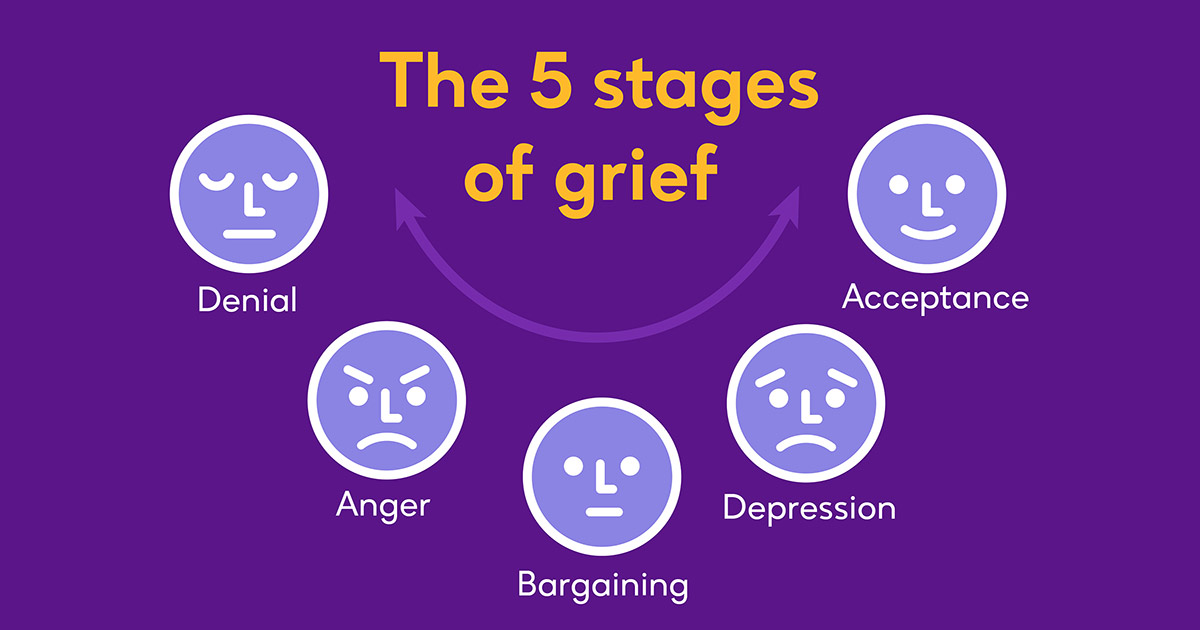
Visit the CareSearch web site for web links to palliative care and end-of-life information in a variety of area languages. Call Carer Gateway on 1800 422 737 for resources to support for Indigenous and/or Torres Strait Islander carers and neighborhoods. CareSearch supplies information on recognizing bereavement, end of life and palliative care demands of the LGBTIQA+ area. In reality, we do not experience sensations of sorrow one at a time or in a particular order. You might experience these things because they are all typical feelings of pain.
Some people really feel numb after the death of an individual they cared about. If you experience this, it could be since it's just as well hard to think that the individual you know so well is not coming back.
Inner Child Work for Professionals Through Therapy in the Local Area
Perhaps they assure themselves that they will currently always do (or not do) something, thinking that it can make the person that has died returned. Or perhaps they think it will stop anyone else dying or various other bad things occurring. This is often called 'magical thinking'. Individuals might also discover that they maintain returning over the past and ask great deals of 'suppose' questions, desiring that they might go back and transform things to ensure that they might have turned out differently.
These feelings can be really intense and agonizing, and they might reoccur over lots of months or years. Yet many people find that excruciating sensations similar to this come to be much less strong in time. If you do not feel this is the case for you, then you must ask for help.
Her model became widely approved as a way to understand grief, but over time, pain counsellors and scientists broadened upon it, bring about the advancement of the. This extended model includes extra emotional responses that people might experience: The preliminary reaction to loss frequently brings shock and shock. This phase acts as a protective mechanism, enabling us to take in the fact of our loss in workable doses.

Sensations of remorse or guilt may arisewondering if you could have done something differently, or sensation grief over points left unsaid. Despair can show up as angertoward yourself, others, or even the individual who has actually passed.

Table of Contents
Latest Posts
Spiritual Emergence through Spiritual Growth & Integration Therapy
Inclusive and Identity-Affirming Care for Dialectical Behavior Therapy
Collective Sessions Through Stress Therapy: Connection and Progress
More
Latest Posts
Spiritual Emergence through Spiritual Growth & Integration Therapy
Inclusive and Identity-Affirming Care for Dialectical Behavior Therapy
Collective Sessions Through Stress Therapy: Connection and Progress